Scrovegni Chapel tickets: the operator’s tariff, and the same quarter of an hour resold
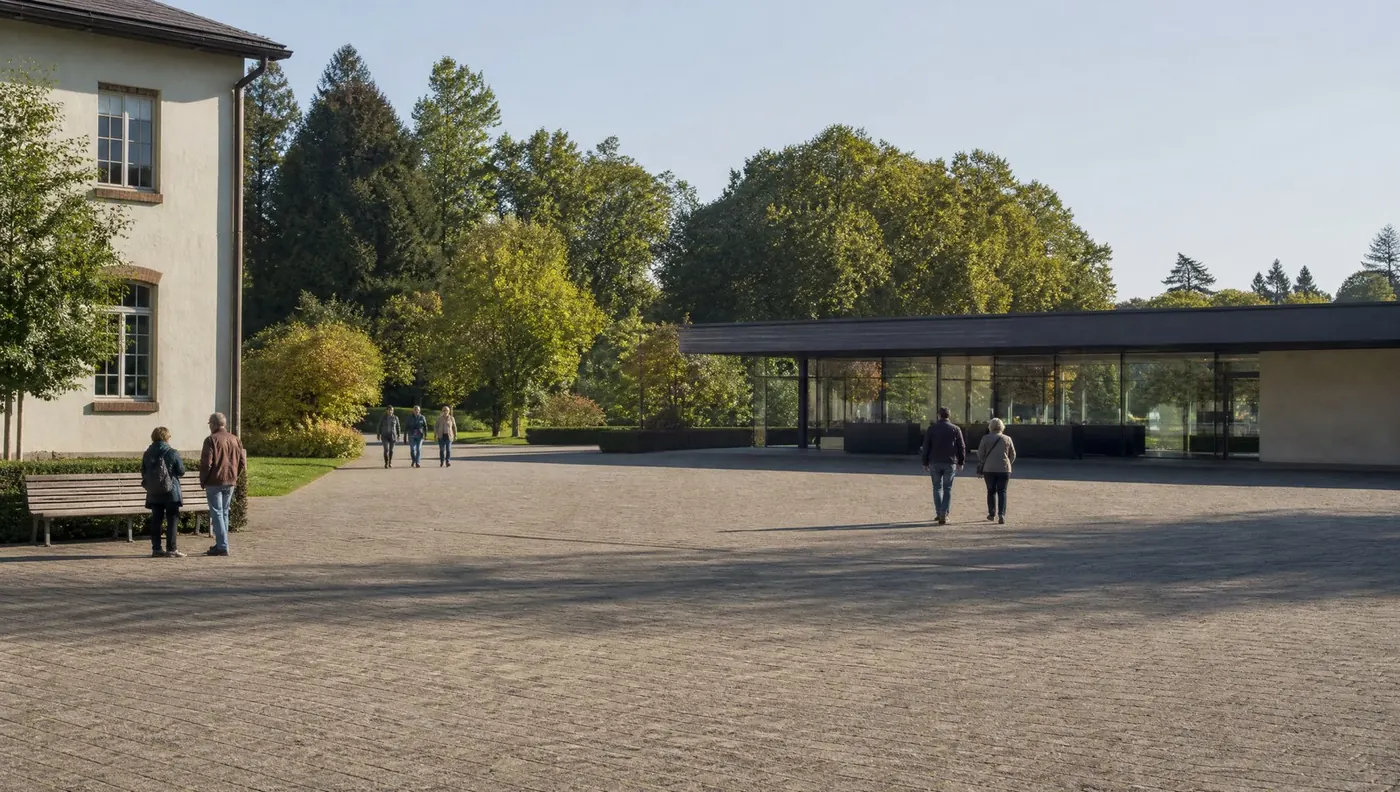
The operator here is the Comune di Padova, through its Musei Civici, and it publishes what it charges. There is one ticket. It costs less than most people expect, it opens two buildings besides the chapel, and it cannot be bought on the day at any price. All of that is below, with the operator’s figures in a table, where they can be corrected when the operator changes them.
This is also the one page on this site that sets the operator’s figure against the platform’s, so that the choice between them is made on numbers rather than on a hunch. Here it is, with the division written out and both numbers in the same table.
The operator’s published tariff
Read off the operator’s own booking site. The booking fee is not a platform charge and it is not optional — the chapel sells nothing that is not a reservation, so every ticket carries one. The last row is what most adults actually pay, and it is arithmetic rather than a claim: the full ticket, plus the fee.
| Ticket | Price, with its unit |
|---|---|
| Full | €8.00 per person |
| Concession | €6.00 per person |
| School concession | €3.00 per person |
| Booking fee | €1.00 per person, on every ticket |
| Full ticket with the booking fee | €8.00 + €1.00 = €9.00 per person |
Who qualifies for the concession and for the school rate is the operator’s to define, and it defines it on its own booking pages, which is where you should read it rather than here: a reduction quoted second-hand is a reduction somebody argues about at a ticket desk. What the table is for is the shape of the thing — three rates, one fee, and a total you can hold in your head while you read the rest of this page.
What else the same ticket opens, and the day it does not
It is not really a chapel ticket. It is a Musei Civici ticket with a timed chapel slot inside it, and it also admits you to the Eremitani Museum — archaeology on one floor, medieval and modern painting on another — and to Palazzo Zuckermann across the road. Both are a short walk from the chapel door and neither has a timed slot, so they are what you do with the hours the chapel does not use.
Except on Mondays. On a Monday that part of the ticket is not available, and a visitor who has planned a morning in the museum around a noon slot in the chapel has planned half a day that does not exist. If your one free day in Padua is a Monday, take the chapel and spend the rest of the day on what is open — what else the city has, and what you can see without a ticket.
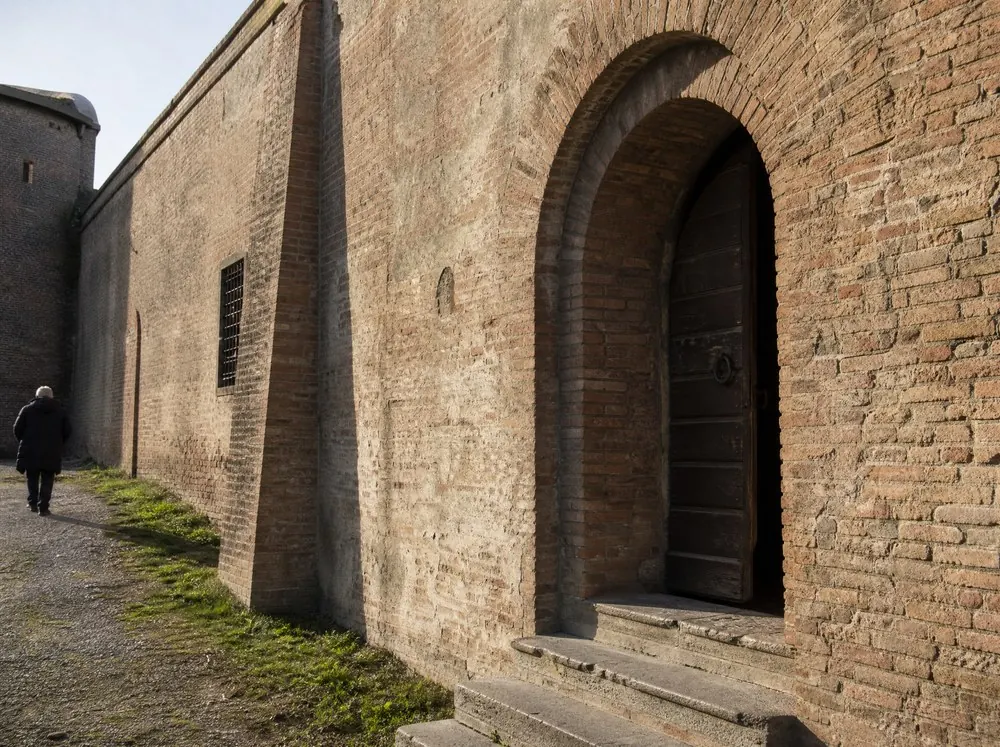
Two reviewers on the ticket listing went in and mentioned it unprompted. Christine: “Also, consider spending a significant amount of time in the museum, which is huge and truly remarkable.” Aisha: “The attached museum is also a fantastic experience as well.” Neither of them was talking about the chapel, which is the point. You are buying a quarter of an hour and a museum afternoon in one transaction, and almost everybody spends the whole of their attention on the quarter of an hour.
The same slot, bought from the platform
One listing in the catalogue is a ticket rather than a tour: “Padua: Scrovegni Chapel Ticket and Audio Guide”. Its inclusions name an “Admission ticket to the Scrovegni Chapel” in as many words, and it is the quickest way to hold a slot without booking a guide. Here it is against the tariff above. Both columns buy the same fifteen minutes in the same room.
| Bought from the operator | Bought from the platform | |
|---|---|---|
| Price, with its unit | €9.00 per person — €8.00 full, plus the €1.00 booking fee | From €31 per person |
| The division | — | €31 ÷ €9.00 = 3.4 |
| Time inside the chapel | About 15 minutes | About 15 minutes. The listing states a duration of 30 minutes, which is the visit and the wait together |
| The Eremitani Museum and Palazzo Zuckermann | Included, except Mondays | The chapel admission is what the inclusions name |
| Audio guide | Not a line on the tariff above | A “Digital audio guide for Padua city”, seven tracks |
| Who makes the booking | You do, on the operator’s site, weeks ahead | Somebody else does. “Entrance tickets will be sent the day before the tour” |
| Rating on the platform | Not sold there | 3.8 from 165 reviews — the lowest rating of the thirteen |
Divide the one by the other and the answer is 3.4. That is the whole comparative, and it is a division rather than an adjective, which is why it is printed instead of described. Three point four is not damning by itself: a resale is a service, and a booking somebody else has already made is worth something on a chapel that sells out. It is simply a number you are better off seeing before you pay it than after.
What one reviewer wrote about it
Gabriele left four stars on that listing, and a question nobody has answered:
“The regular admission fee with audio guide costs 15 euros. I paid more than double for exactly the same service. I find that outrageous.”
Gabriele, on the ticket-and-audio-guide listing
His arithmetic is right on its own terms: more than double is what he paid against the figure he had in front of him. But that figure is not the one in the tariff table at the top of this page. He quotes an admission with an audio guide attached to it; the operator’s published tariff is a ticket and a booking fee and nothing else. His figure is not one the operator prints, so it stays inside his quotation marks. Take the published tariff as the baseline instead and the multiple gets larger, not smaller. Whatever he was shown at the desk, he is pointing at the right thing.
What the extra buys, and what it does not
It buys a booking somebody else made. That is a real thing to sell, and at this chapel it is worth more than it would be almost anywhere else, because the operator will not sell you a ticket on the day, the reservation windows open weeks ahead, and the good slots for a Saturday in spring go while you are still deciding which Saturday. Somebody who lands in Venice on a Thursday and wants Padua on the Friday cannot use the operator’s site at all. They can use a listing that is already holding a slot. How the windows work, and what to do when yours has closed.
It buys the room, and a guide to the city. The audio guide in that listing is described by the listing itself as a “Digital audio guide for Padua city”, and its seven tracks cover the university, Piazza delle Erbe and the chapel — useful for the afternoon, and not a commentary on the walls. If you want those explained while you are standing in front of them, that is the guided listing. Christina, on the same listing, in four stars:
“The chapel was great! I expected the audio guide to include a description of the frescoes, which it didn’t.”
Christina, on the ticket-and-audio-guide listing
She was not misled. She read the title and not the inclusions, which is what all of us do, and the inclusions say Padua city in as many words. If what you want is somebody explaining the walls while you are standing in front of them, that is a different product on a different listing. The ticket-and-audio-guide listing, read properly.
The fifteen minutes are the fifteen minutes whatever you paid. Nobody gets longer, nobody gets a second go, and the doors open once on the way in and once on the way out to hold the interior air steady. The only variable money can move is whether you walk in already knowing what you are looking at. What is on the walls, in the order you meet it.
If you are going to pay more than the tariff, pay for a person
The guided visit is the listing this site points at. Its own inclusions name a “Professional tour guide with official license”, a “Guided visit to the Scrovegni Chapel” and “Access to the main works inside the chapel”, and it runs from about forty euros a head — more than the tariff, less than the ticket listing. What the difference gets you is a licensed guide standing in the room for the same fifteen minutes everybody else has. It carries more written reviews than any other listing here, and its rating sits nine tenths of a star above the ticket listing’s.
Two reviewers on the private city walk make the case for a guide in one line each. J: “The 15 minutes visitors are allotted in the chapel would have been wasted without her.” Anthea: “The Scrovegni Chapel was stunning and brilliantly explained by Rosanna in the very short 15 minutes allowed for the visit.” Both name their own guide, and both describe the same purchase: not access, which the tariff already sells, but somebody to spend the access on.
Every other way in, priced with its unit and grouped by what it actually gets you: all thirteen listings in one table. Whether fifteen minutes is worth the journey is a separate question with a separate answer.
Frequently asked questions
How much is a ticket to the Scrovegni Chapel?
The operator charges a full rate, a concession and a school rate, and adds a compulsory booking fee for every person on the ticket. A full adult admission with the fee comes to under ten euros. The tariff table on this page prints all four figures with the unit beside each one and shows the addition being done, which is where an exact figure belongs — it can be corrected there the day the operator changes it.
Does the Scrovegni Chapel ticket include the Eremitani Museum?
Yes, and Palazzo Zuckermann as well — one ticket covers the chapel and the Civic Museums complex. Not on Mondays, though: that part of the ticket is not available then, so a Monday visit is the chapel and nothing else on the same admission. Neither museum has a timed slot, which makes them the natural way to spend the hours around a fifteen-minute chapel booking.
Why does the same ticket cost more on a booking platform?
Because you are buying two things: the admission, and a reservation somebody else already made in a booking window that may have closed for you. The platform's ticket-and-audio-guide listing prices the same quarter of an hour at several times the operator's figure — the comparison table on this page sets the two side by side and writes the division out. Whether that is worth paying depends entirely on whether you could have got a slot yourself.
Is the audio guide a commentary on Giotto's frescoes?
No. The listing's own inclusions call it a “Digital audio guide for Padua city”, and it runs to seven tracks covering the university, Piazza delle Erbe and the chapel. It is a city guide with a chapel track on it. A reviewer on that listing expected a description of the frescoes and wrote that she did not get one. If you want the walls explained while you are standing in front of them, book a listing with a live guide on it.
Can I buy a ticket at the chapel door?
No. The operator's own sentence is that same day reservations cannot be made, and there is no counter that will sell you one. Twenty-five people are admitted per visit and every place in every visit is reserved in advance, which is why this whole site is arranged around booking rather than around turning up. How to get a slot.