The short version
- There is no ticket on the door, and there is no argument about it. The operator states that same day reservations cannot be made. Booking windows open weeks in advance and are named by date on the operator’s own site; they move, so this site never prints one. The contact centre answers Monday to Friday 9:00–19:00 and Saturday 9:00–18:00, and not at all on Sundays or holidays. How the booking actually works, and what “sold out” means.
- About fifteen minutes, and the clock is the building’s, not yours. The operator admits a maximum of twenty-five people per visit and asks you to reach the air-conditioned waiting room five minutes before the time printed on your ticket — thirty minutes before, at the ticket office, if you are a group. The doors are automatic and open only once on entry and once on exit, to stabilise the interior microclimate. Fifteen minutes against a listing that says thirty.
- One ticket, and it is not only for the chapel. It also covers the Civic Museums complex — the Eremitani Museum, with its archaeology and its medieval and modern art, and Palazzo Zuckermann — except on Mondays, when that half of the ticket buys nothing. The tariff, what it covers, and the day it doesn’t.
- The platform is not selling you admission; it is selling you somebody to ask. Of the thirteen listings tracked here, eleven get you inside and two do not — one explains the chapel from the pavement and says so in its own not-included list, and one leaves the ticket to you on a day already committed to a driver. All thirteen, grouped by what they actually get you.
- Read the unit before you read the price. Ten of the thirteen listings quote per person, two quote per party with the party capped in the same line, and one states neither. A per-party figure read down a per-head column is the most expensive mistake this catalogue can cause. Every listing with its unit in the same cell.
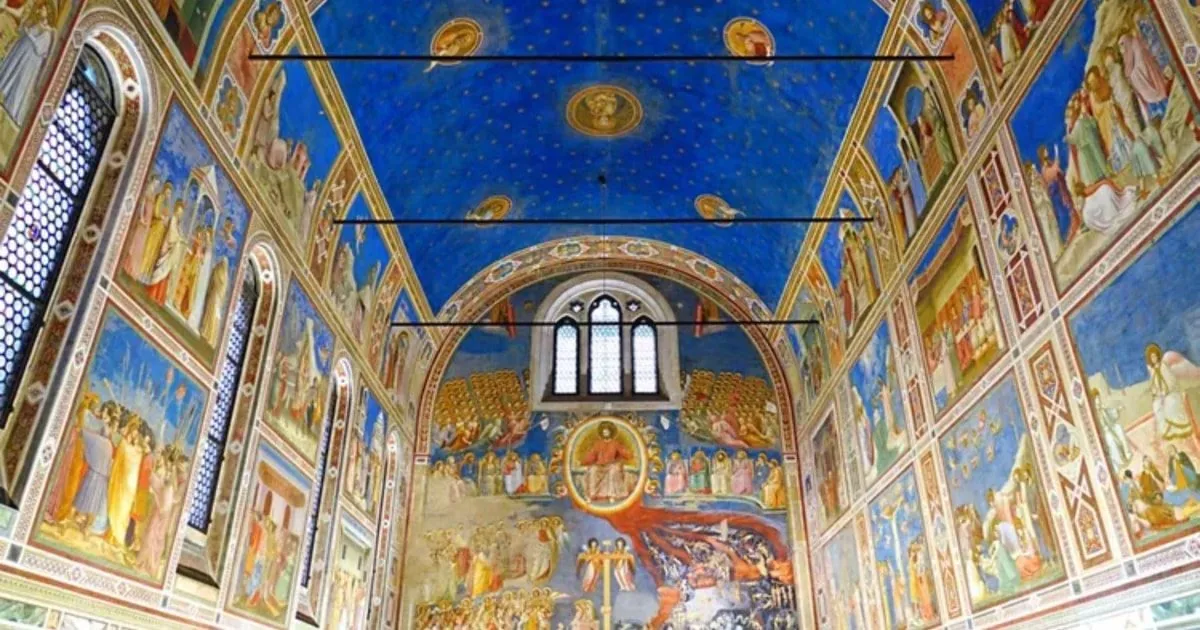
- Fifteen minutes with no idea what you are looking at is fifteen minutes gone. Three tiers of narrative panels, a vault painted as a sky full of stars, fourteen grey figures along the dado painted to look like carved stone, and the Universal Judgement on the wall opposite the altar. What is up there, and why it mattered so much afterwards.
What your ticket opens, and what to book alongside it
Two columns, because nearly every complaint about this place is a thing somebody expected to find in the other one.
Already on your ticket
- The chapel itself, at one printed time, with a maximum of twenty-five people admitted per visit
- The air-conditioned waiting room outside it, which the operator asks you to reach five minutes before the time on your ticket
- The Eremitani Museum — archaeology, medieval and modern art — on the same ticket
- Palazzo Zuckermann, also on it
- Both museums on any day except Monday, when that half of the ticket is worth nothing
- A slot bought in advance, which is the only kind there is
Booked separately, and worth it
- Today. The operator’s wording is that same day reservations cannot be made, and no listing on any platform gets round that
- Longer. The doors open once on the way in and once on the way out; the fifteen minutes are the building’s arrangement with its own climate, not a queue management policy
- A live guide. The ticket puts you in the room. Somebody standing beside you naming what you are looking at is the separate thing the platform sells
- An introductory film, guaranteed. Reviewers on three different listings describe one and one calls it very well explained, but the operator does not list it — so treat it as a bonus rather than as part of the time you booked
- A booking window you can plan around. They open weeks ahead, they are named by date on the operator’s site and they move, so no date for one appears anywhere here
How a visit to this chapel actually goes, starting weeks early
In order, from the booking to the museum on the same ticket — and the part in the middle is shorter than the walk from the station.
Almost nothing about this visit is decided on the day. The slot is decided weeks earlier, the arrival time is decided by the operator, the length is decided by a pair of automatic doors, and the only thing genuinely left to you is whether you know what you are looking at when they shut behind you.
- Weeks before, not the morning of — Booking windows open well ahead and are named by date on the operator’s site; they move, so no date for one is printed here. The contact centre answers Monday to Friday 9:00–19:00 and Saturday 9:00–18:00, closed Sundays and holidays. How to reserve, and what to do when it says sold out.
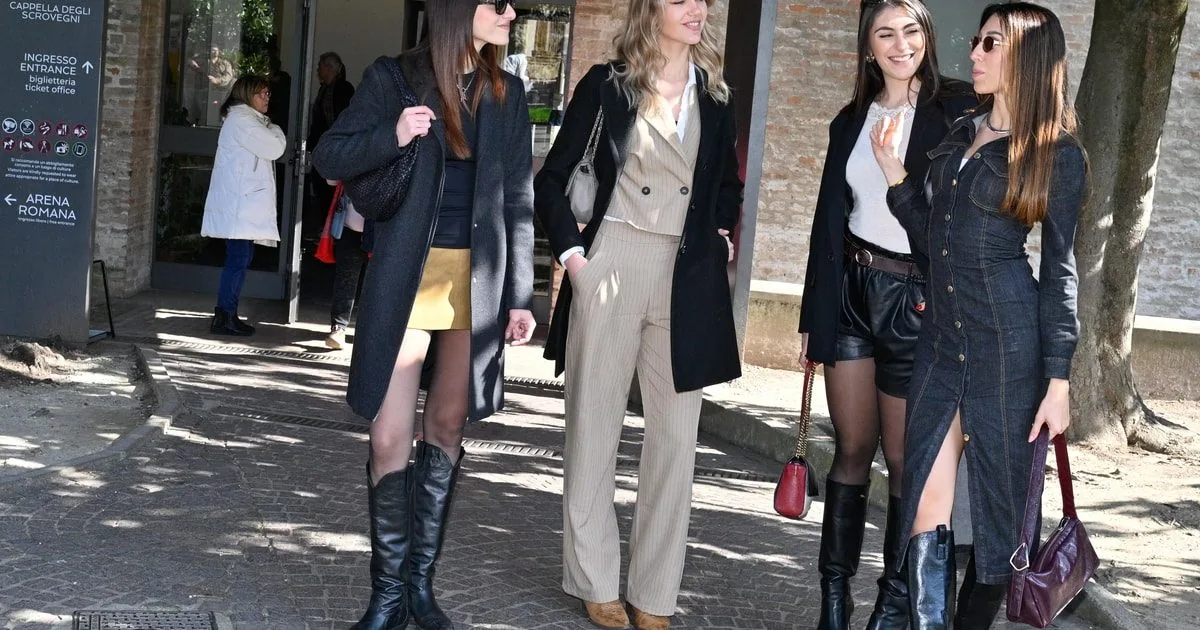
- Piazza Eremitani 8, and finding the door — Two listings warn on their own pages that the meeting point may vary, and two reviewers on two other listings had exactly that trouble: one found the entrance a bit difficult, another wanted to be told the museum entrance rather than a square that size. Allow for it. From the station on foot.
- The air-conditioned waiting room, five minutes early — The operator’s instruction is to reach the waiting room outside the chapel five minutes before the time printed on the ticket; groups are asked for the ticket office thirty minutes before, so a nine o’clock group is there at a quarter to. Reviewers on three listings describe a film shown here; the operator does not list it, so count it as a bonus rather than as time you have booked.
- The doors, which open twice — They are automatic, and the operator’s wording is that they open only once upon entrance and exit, to enable the stabilisation of the interior microclimate. That single sentence is why the visit is about fifteen minutes long and why nobody can quietly give you longer. Fifteen minutes, against a listing that advertises thirty.
- The first thing to look at is above you — The barrel vault is painted as a deep blue sky full of stars, and it is the thing people forget to look at because the stories are at eye level. Why that blue was ground rather than mixed, and why it still reads as sky.
- Then the walls, in three tiers — The narrative panels run round both long walls in three bands, one above the other, and along the bottom stands a row of grey figures painted to look like carved stone. What is on the tiers, and how a wall like this was painted before it dried.
- Turning round on the way out — In the operator’s words: on the wall opposite the altar there is the grandiose Universal Judgement, which concludes the story of human salvation. You meet it on the way out, with a minute or two left. The wall, and the man kneeling in it.
- The Eremitani Museum, already paid for — unless it is Monday — The same ticket covers the Civic Museums complex, the Eremitani Museum and Palazzo Zuckermann, on every day except Monday. It is the obvious answer to a fifteen-minute visit that leaves you wanting an afternoon. What the ticket covers, and what else is within a walk.
Thirteen listings on this page book that slot for you, and the comparison below is about what each one adds once you are through the door. On a wall this dense, somebody spending the fifteen minutes telling you what you are looking at is not a small addition. All thirteen listings, and what each one says about itself.
Four decisions, in the order they actually come up
Ticket, or somebody to ask
One listing here is the admission resold with an audio guide and no live guide. The rest put a person beside you. Anyone who reads the walls up first will do perfectly well on the plain ticket; anyone who would rather be told is buying the person, not the entry.
Read the listing’s own inclusions
The cards below repeat the words each listing uses about itself, because the titles mislead. The most-reviewed listing here itemises a guided visit and access to the main works — not an admission ticket, which two other listings do spell out in as many words.
Check the unit in the same line as the figure
Ten of the thirteen quote per person, two quote per party and cap the party in the same breath, and one does not say either way — and with three written reviews there is nothing to infer it from.
Book it long before you go
The chapel will not sell you today at any price, and a tour that includes the chapel depends on the chapel having a slot left. One listing says its admission is subject to availability; another reserves the right to substitute a similar visit if tickets are gone.
The most-reviewed way in, with somebody talking
Its own inclusions name a professional tour guide with an official licence, a guided visit to the Scrovegni Chapel, historical and artistic insights into Giotto’s cycle of frescoes, and access to the main works inside the chapel — a visit, in the listing’s own words, rather than a ticket. It meets in front of the entrance to the chapel at Piazza Eremitani 8, runs in English and Italian, and is billed at an hour to an hour and a half. That hour and a half is the guide’s; the quarter of an hour inside is the operator’s, and one reviewer says so in as many words. Live dates below.
The ticket resold, a shared guide, or a guide of your own?
Three listings that all get you into the same room for the same quarter of an hour, and differ entirely in who is standing next to you when the doors shut. The guided visit is the most-reviewed way in — 332 write-ups at 4.7, against the ticket listing’s 165 at 3.8. Both hold the same slot; the difference is whether somebody is standing there to tell you what you are looking at.
| Padua: Scrovegni Chapel Ticket and Audio Guide | Most reviewedGuided Tour of Giotto's Scrovegni Chapel | Padua: Private City Walking Tour & Scrovegni's Chapel Visit | |
|---|---|---|---|
| Price | €31 per person | €39 per person | €150 per person |
| Rating | 3.8 from 165 reviews | 4.7 from 332 reviews | 4.6 from 194 reviews |
| Listed duration | 30 minutes | 1–1.5 hours | 2 hours |
| What its own inclusions say | “Admission ticket to the Scrovegni Chapel” and a “Digital audio guide for Padua city” | A “Guided visit to the Scrovegni Chapel” and “Access to the main works inside the chapel” — a visit, in its own words, not a ticket | “Certified tour guide”, “Private tour”, “Admission to Scrovegni Chapel” |
| Anyone explaining the walls? | No live guide. The audio guide is the listing’s own “for Padua city” — seven tracks taking in the university, Piazza delle Erbe and the chapel, so a city guide with a chapel track on it | Yes, a licensed guide, shared, in English or Italian | Yes, and your party only, in Italian, Spanish or English |
| Party | No cap stated — it will take your group | Shared, with “Headsets (if provided for large groups)” | Private — and priced per head, not per party |
| Best for | Somebody who would rather read the walls up beforehand and have the quarter of an hour to themselves | A first visit that wants the fifteen minutes narrated while they last | A small party who would rather not share a guide, and want the city round the chapel as well |
| View → | Book this → | View → |
Gallery
The arena, the way in, and the Padua around your fifteen minutes
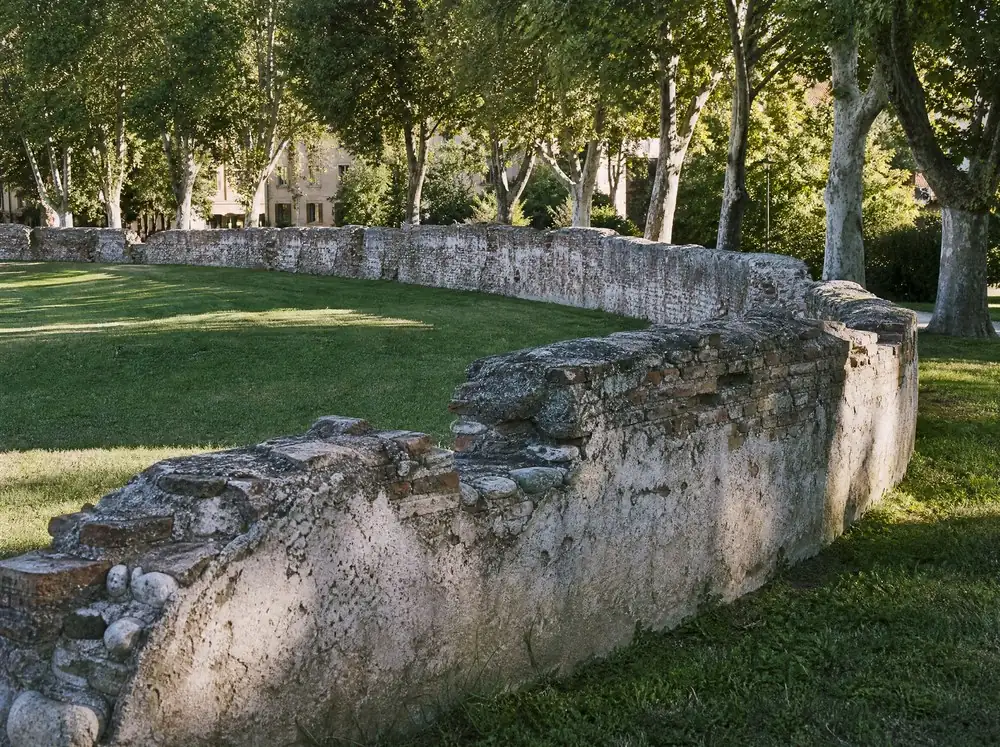
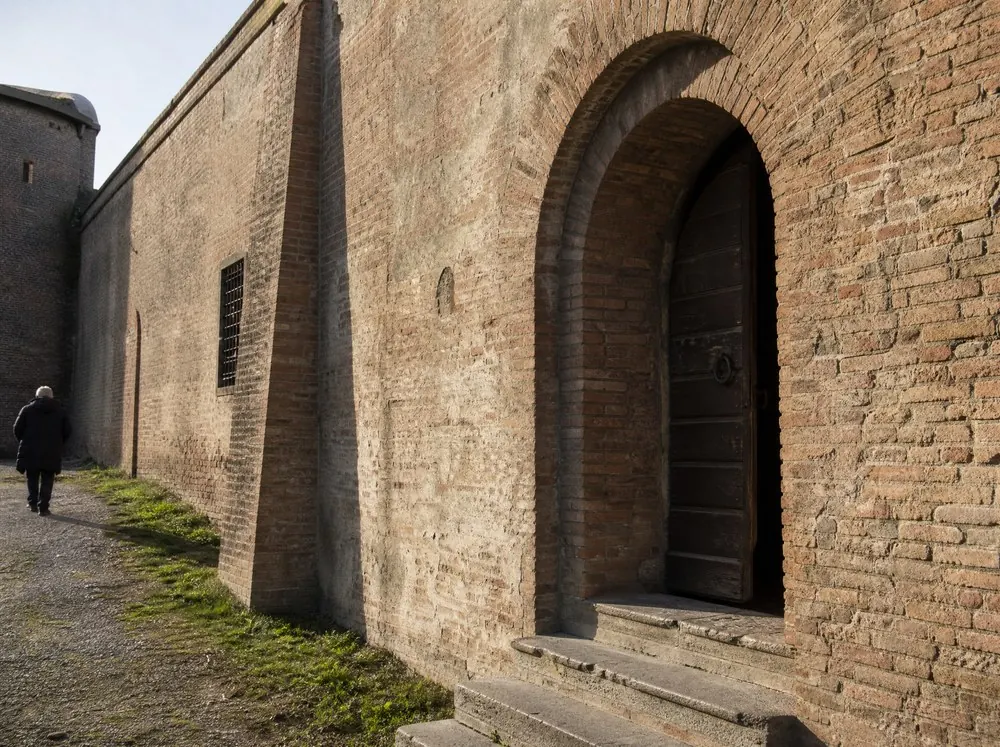
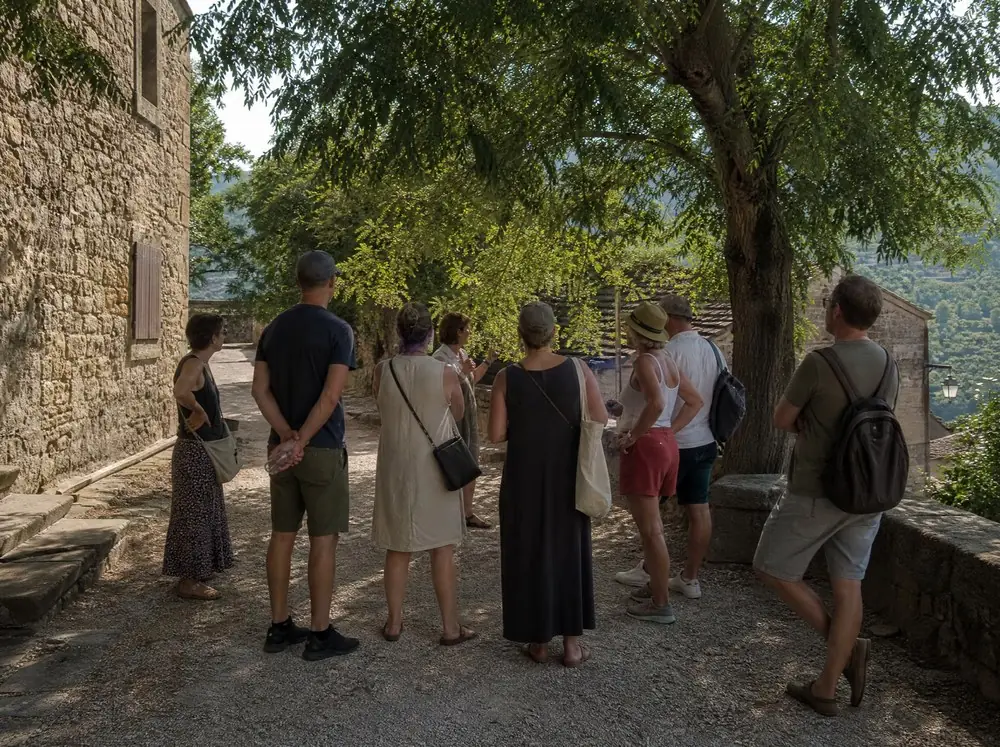
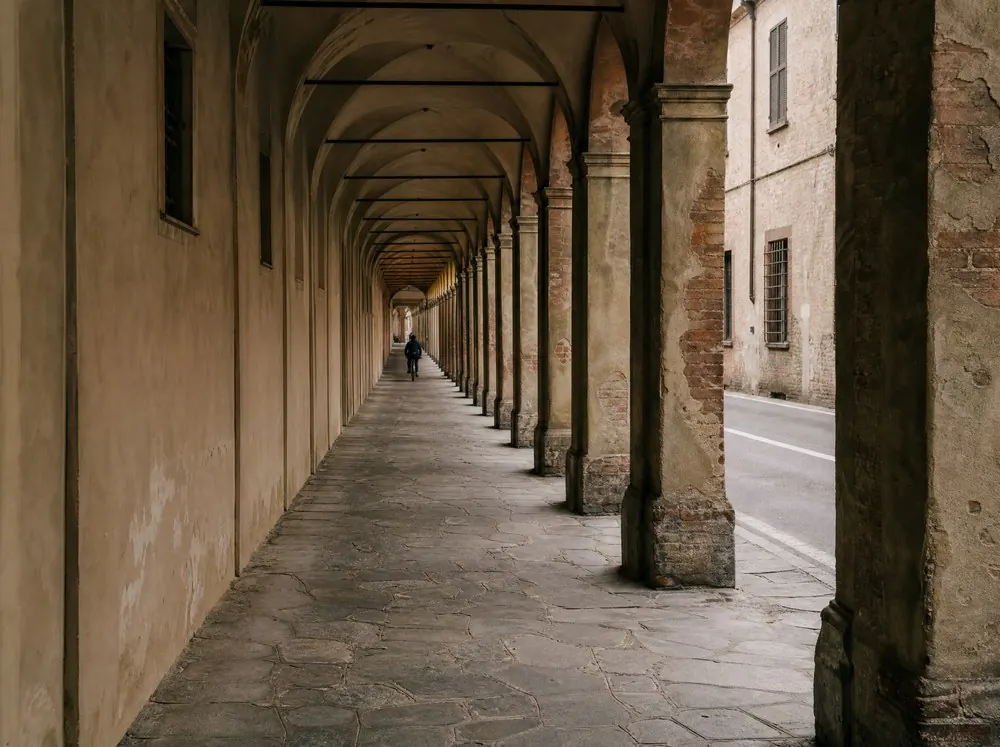
Six pictures of what the day is actually like: the Roman arena wall the chapel was built beside, the door you go in at, a guide with a small group before it opens, and the arcaded streets that get you there dry.
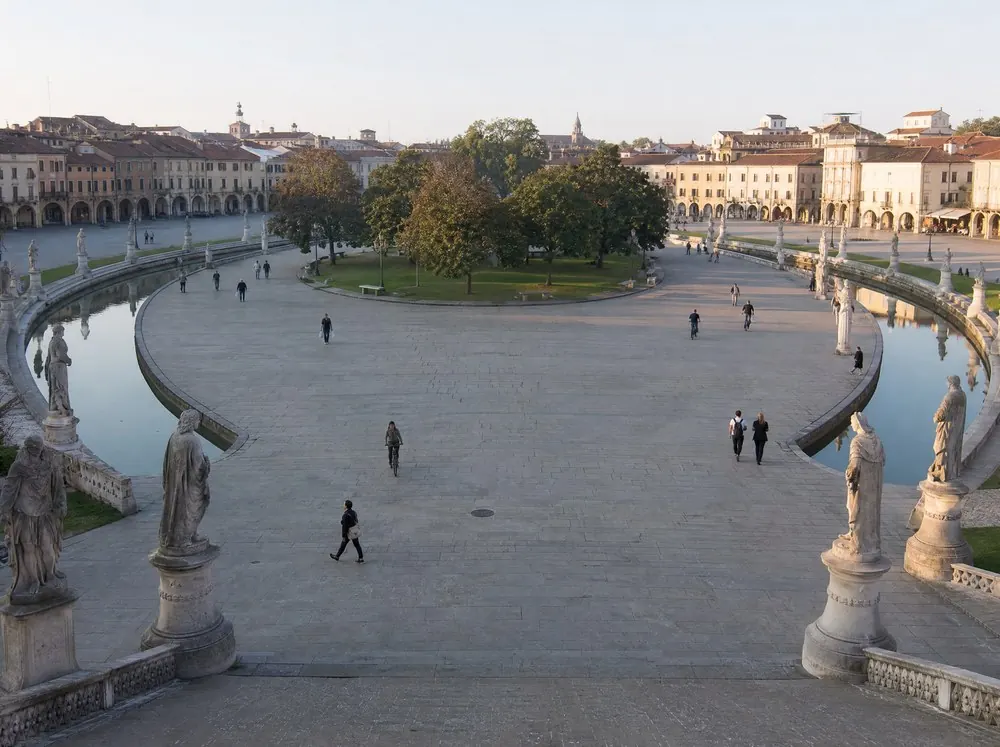
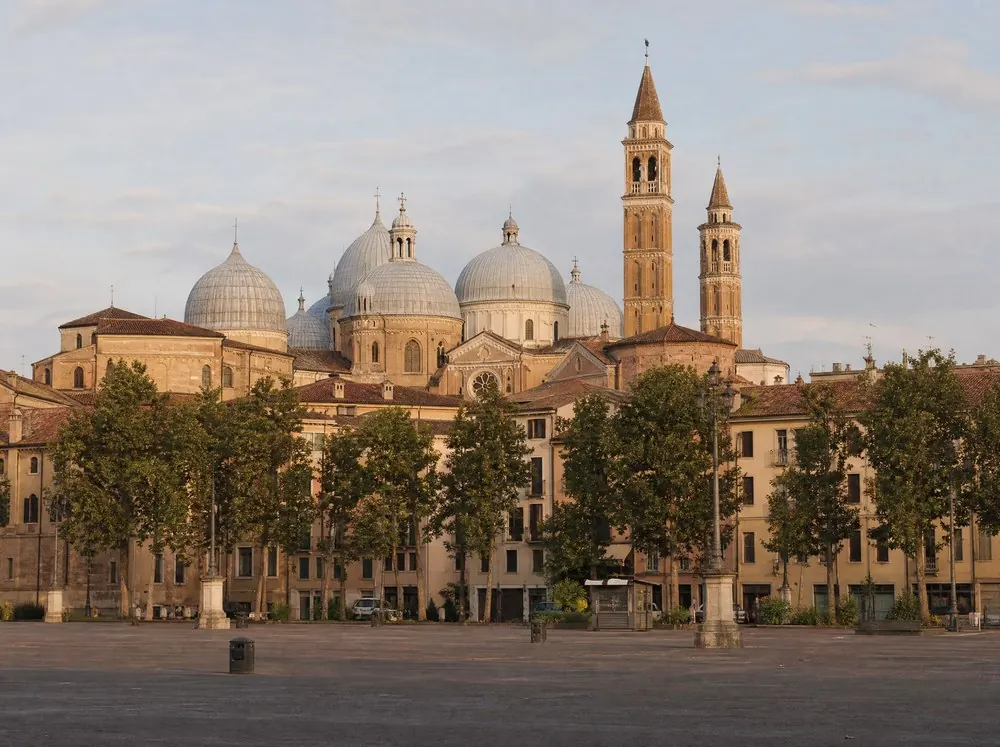
Six of the thirteen, and what each one actually gets you
The first is the most-reviewed listing here and its subject is the chapel rather than the city. The second pairs the same admission with an audio guide, and it is the best-value way through the door. The third is the only shared listing that states a party cap. The fourth borrows the operator’s evening programme by name. The fifth is a private walk through the city with the chapel in it. The last does not get you in — its own not-included list reads “Tickets for Scrovegni Chapel” and the chapel is explained from outside — and it is here because a list that quietly drops the listings that do not work is not telling you anything. All thirteen, grouped by what they get you.
 Most-reviewed
Guided Tour of Giotto's Scrovegni Chapel
 Best-value option
Padua: Scrovegni Chapel Ticket and Audio Guide
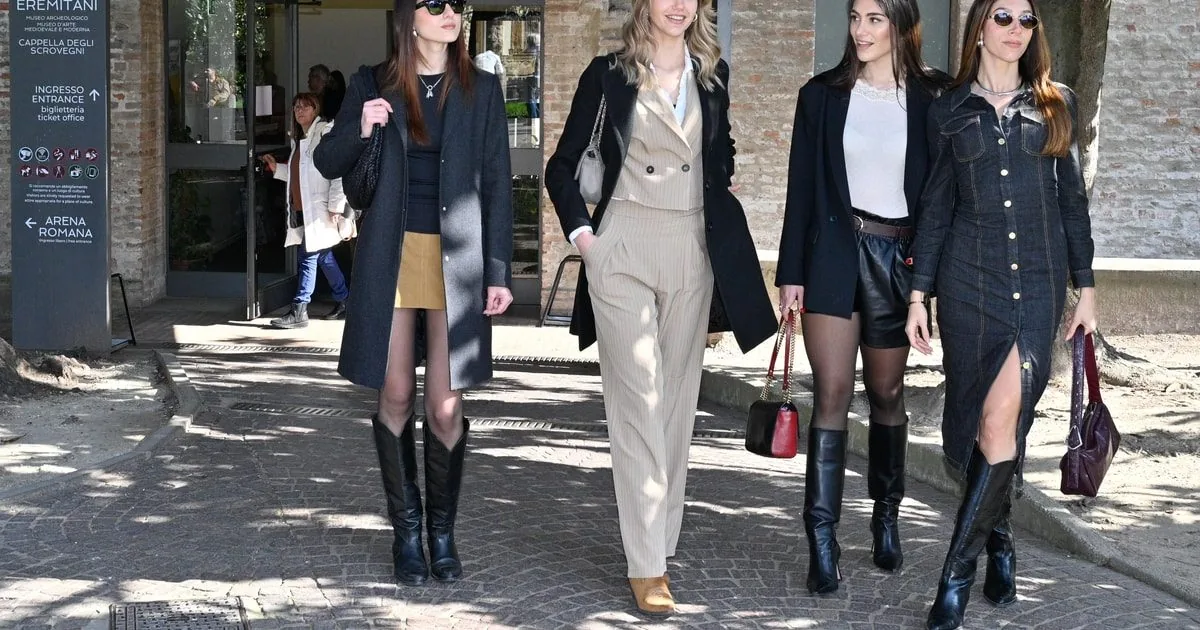 Capped at ten
Padua: Small-group walking tour with the Scrovegni Chapel
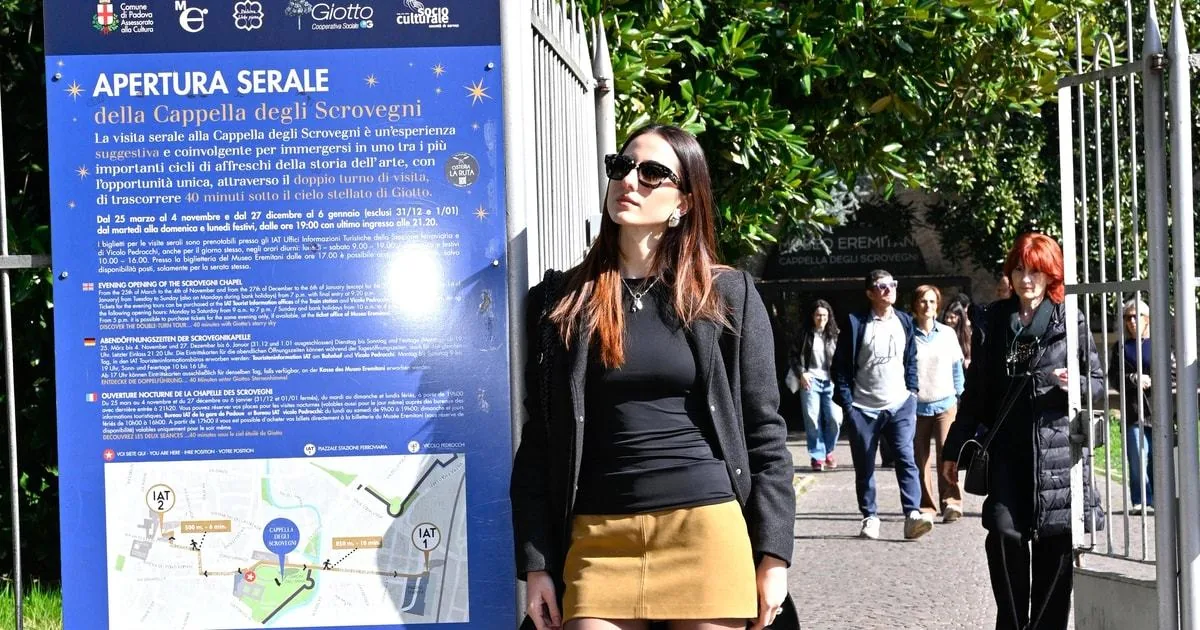 After dark
Padua: Evening Tour with Admission to the Scrovegni Chapel
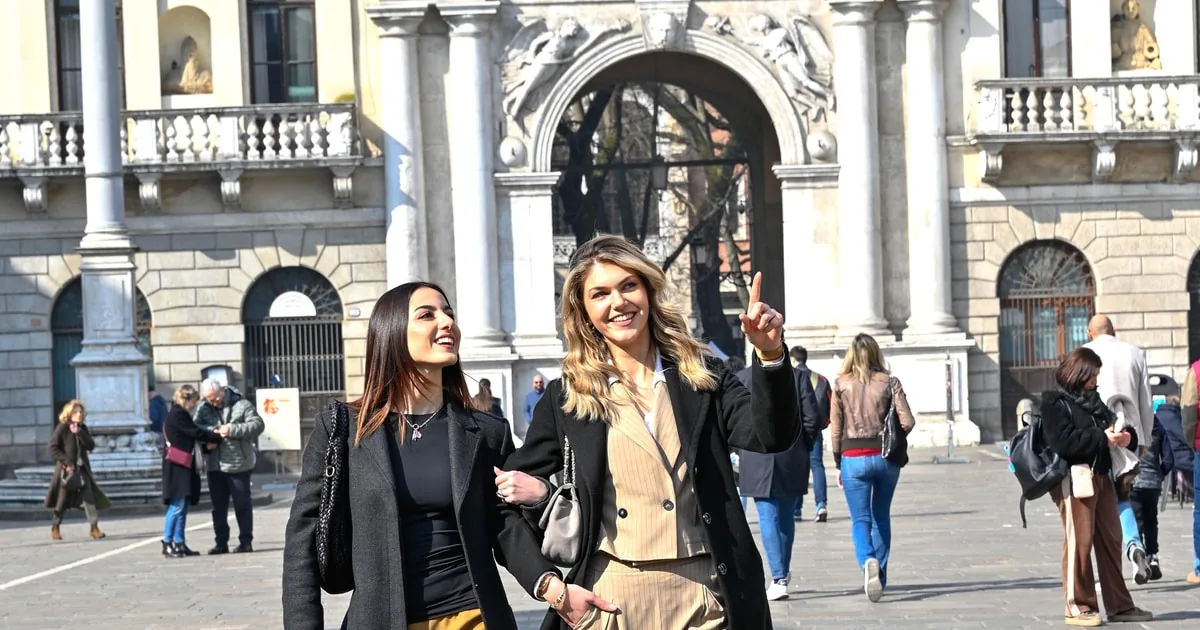 Private, priced per head
Padua: Private City Walking Tour & Scrovegni's Chapel Visit
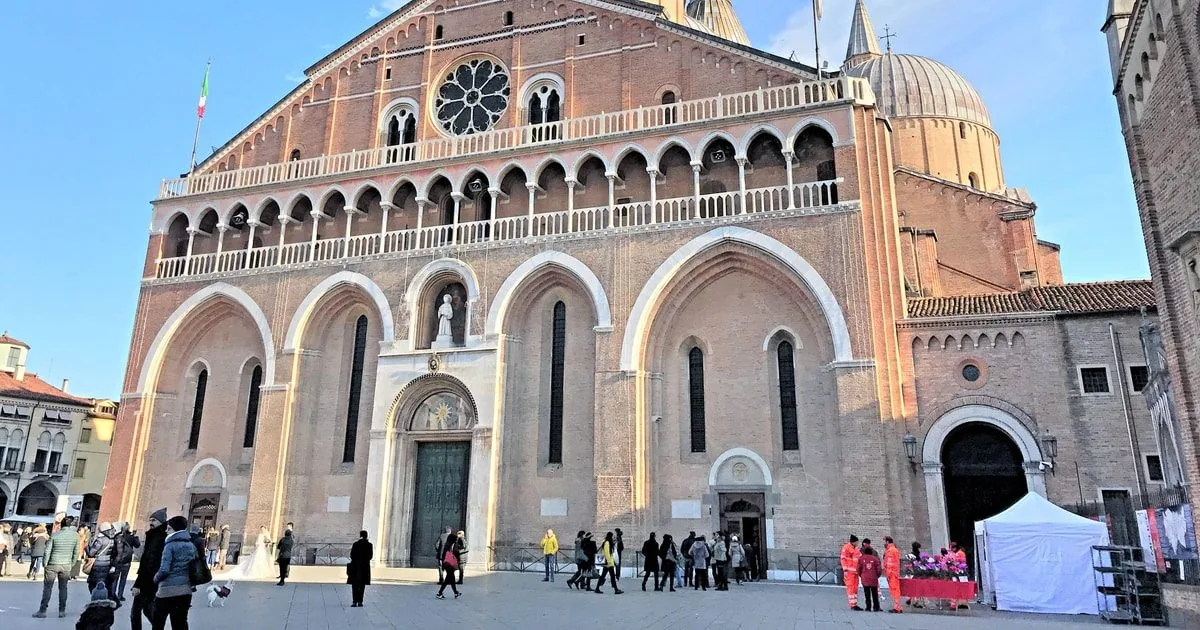 Basilica of St Anthony
Padua: St Anthony's Life Tour with Self-Guided Camposampiero Visit
Six reviews that tell you something you can use
Quoted as written, typos included, and attached to the listing each one was left on. Four of the thirteen are newer listings still building a review count — the per-party private walks and the Venice day trips, which sell in low volume by design.
It was wonderful, but you could only spend a very short time inside!
Donatella was wonderful. Her knowledge was comprehensive from Roman history to modern cafes. The 15 minutes visitors are allotted in the chapel would have been wasted without her. We fell in love with Padova!
Very interesting and well-organized tour. The film before the tour allows us to better enjoy the details of the chapel once inside. The audio guide sent in advance and the tickets provided by the organizer are very well done and don't just cover the chapel but encompass all of Padua's iconic monuments. Also, consider spending a significant amount of time in the museum, which is huge and truly remarkable.
The guide was excellent. The film was very informative. The Chapel itself is, of course, stupendous. The directions about where to meet were confusing. Instead of saying Piazza Eremitani which is quite large, why were we not told to meet at the entrance of the Museum?
Excellent and well-organized guide. The cost is a bit high.
we had a private tour with outstanding guide. she was very knowledgable and dedicated more then the recquired 2 hours.
Ratings and reviews are the operators’ live GetYourGuide figures. Read our full tour reviews ›
Four questions the booking page does not answer
Settled here, so they are not being settled in a waiting room with twenty-four other people and a door about to open.
Can I just turn up?
No, and this is the one thing to take away. The operator’s wording is that same day reservations cannot be made, so there is no door to queue at and no counter that will take pity on you. Booking windows open weeks ahead and are named by date on the operator’s own site; because they move, no date for one is printed anywhere here. How to reserve a slot.
Is fifteen minutes really all you get?
Inside the chapel, yes: the operator states that visits last about fifteen minutes, with a maximum of twenty-five people admitted per visit. The admission listing advertises thirty minutes, and both are true — the difference is the waiting room beforehand and, by several reviewers’ account, a film shown in it. Where the other quarter of an hour goes.
Do I need to book a guide as well?
Only if you want the walls explained while you are looking at them. Nothing in the room tells you what is on it, and the audio guide sold with the resold ticket is described by that listing as being for Padua city rather than for the frescoes — a reviewer expected otherwise and said so. Read the panels up beforehand and you will do fine on the plain ticket. What is on the walls, and what each listing adds.
What else does the same ticket get me?
The Civic Museums complex: the Eremitani Museum, which holds archaeology and medieval and modern art, and Palazzo Zuckermann. Not on Mondays, when that part of the ticket buys nothing at all, so a Monday slot is a chapel visit and a walk. What the ticket covers, and what to do with the rest of the day.
Can’t make these dates?
Browse more available Scrovegni Chapel tours and find one that fits your schedule — all with instant confirmation and free cancellation.
Frequently asked questions
Do you need to book the Scrovegni Chapel in advance?
Yes, and there is no way round it: the operator states plainly that same day reservations cannot be made. Booking windows open weeks ahead and are named by date on the operator’s own site, and because those dates move this site never prints one. The contact centre answers Monday to Friday 9:00–19:00 and Saturday 9:00–18:00, and is closed on Sundays and holidays. How to reserve, and what to do if it is sold out.
How long do you get inside the Scrovegni Chapel?
About fifteen minutes. The operator’s own visitor pages give that figure twice, and the reason is the building rather than the crowd: the access doors are automatic and open only once on entrance and once on exit, to stabilise the interior microclimate. The admission listing on the platform advertises thirty minutes, which counts the waiting room as well as the room. The two figures, and what fills the gap.
How many people are let into the Scrovegni Chapel at once?
A maximum of twenty-five per visit. That is the operator’s admission limit, not a measurement of the room, and it applies to every slot — which is why a shared tour that caps itself at ten participants is telling you something useful about how the quarter of an hour will feel. Which listings state a party size.
What are the Scrovegni Chapel’s opening hours?
Daytime slots run from 9:00 to 18:45. There are also evening openings, which the operator runs under the name “Giotto sotto le stelle” — Giotto under the stars — and books in a window of their own; no length is published for an evening visit, so none is claimed here. The hours, and the evening programme.
Who painted the Scrovegni Chapel, and when?
Giotto, between 1303 and 1305, on the commission of Enrico degli Scrovegni. The operator’s own wording is that the chapel, which is dedicated to St Mary of the Charity, was frescoed between those years upon his commission. Who Giotto was, and what changed after him.
What is painted inside the Scrovegni Chapel?
Three tiers of narrative panels run round both long walls, one band above the other. Above them the barrel vault is painted as a deep blue sky full of stars. Along the bottom of the walls stands a row of grey figures painted to look like carved stone. On the wall opposite the altar — the one you turn round to see on the way out — is what the operator calls the grandiose Universal Judgement, which concludes the story of human salvation. The walls, tier by tier.
Why is the Scrovegni Chapel famous?
Because of what happened to painting here. UNESCO inscribed it in 2021 as part of “Padua’s fourteenth-century fresco cycles”, eight religious and secular building complexes painted between 1302 and 1397, and says of Giotto’s cycle in this chapel that it is considered to have marked the beginning of a revolutionary development in the history of mural painting. The inscription, and what it actually says.
Why is the Scrovegni Chapel also called the Arena Chapel?
Because it was built beside a Roman arena, on ground that had been the amphitheatre, and both names stuck. What is left of the arena is still there next to it, and it is in the photographs on this page. The two names, and the ground underneath.
Does the Scrovegni Chapel ticket cover anything else?
Yes. One ticket covers the chapel and the Civic Museums complex — the Eremitani Museum, holding archaeology and medieval and modern art, and Palazzo Zuckermann — on every day except Monday, when the museums are not included. The tariff and what it covers.
Is the Scrovegni Chapel worth it for fifteen minutes?
It is, and the honest reason is that the fifteen minutes are not the whole purchase: they are the middle of an afternoon that also includes two museums on the same ticket, on any day but Monday. The quarter of an hour is worth far more to somebody who walks in knowing what is on the walls, which is what a guide is for. The full answer, at length, and what to look at first.
Still have questions? Email us [email protected]